

Specialized code tells a different story
Many organizations operate critical software written in languages and environments that appear less often in common public code examples. Argo Reach helps explore whether eligible source-code archives may be relevant to AI developers.

What is AI data licensing?
AI developers use code examples to train and evaluate systems that can read, explain, generate and maintain software.
Data licensing allows specified source code and associated documentation to be used for agreed purposes, subject to commercial and licensing terms.
How the process works
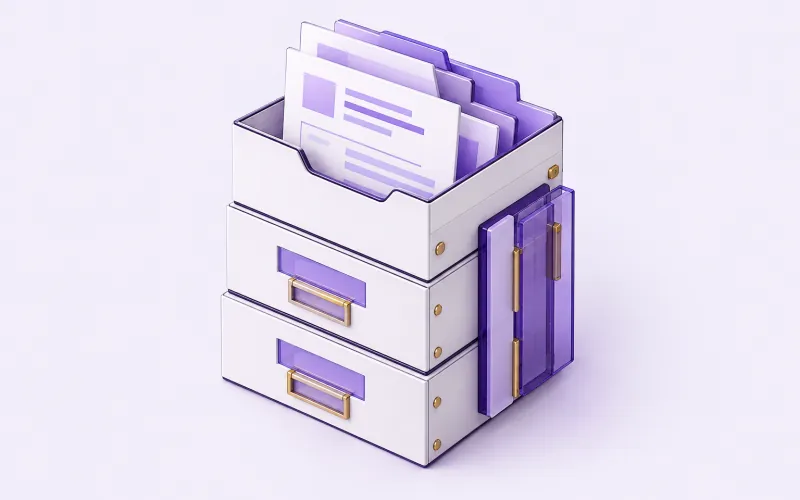 Existing records
 Defined licensing agreement
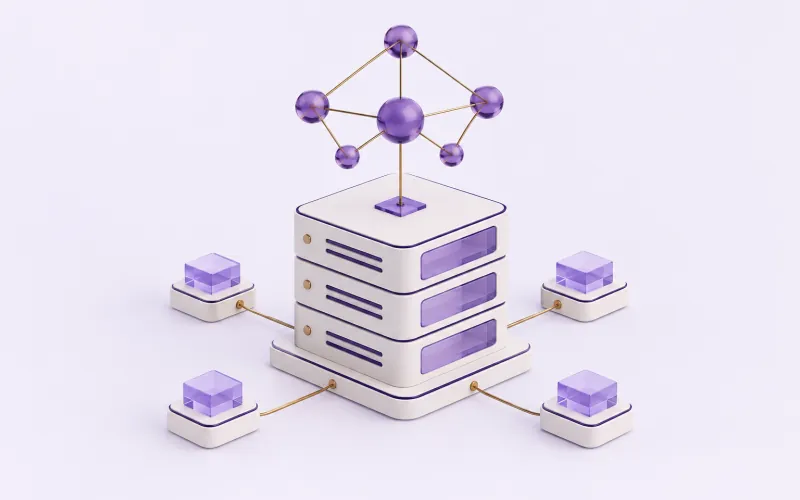 AI development
The records behind the work
Here are examples of the types of collections we are interested in exploring.
-

Less Common Languages
Proprietary and specialist code in environments such as COBOL, Fortran, Ada, RPG, ABAP and other domain-specific languages.
COBOL / Fortran / Ada / RPG / ABAP
-

Full Repositories
Modules, package structures, interfaces, configuration and relevant dependencies.
Repo / Source tree / Config
-

Tests & Documentation
Unit or integration tests, system docs, technical notes, specifications and sample inputs/outputs.
Tests / Docs / Examples
-

Version & Maintenance History
Commit histories, changes, bug fixes, migration notes and code reviews where available.
Commits / Diffs / Changelog

Why AI developers need more varied source code
Code assistants must interpret many programming styles, conventions and legacy environments. A meaningful repository, especially with documentation and tests, can offer more context than isolated snippets.
 Plain-language request
 Legacy-style code block
 Explanation and test result

Read less familiar syntax

Understand program structure

Connect instructions to implementations

Evaluate changes with tests
A code file is only part of a software system
Complete modules, related documentation, tests and update histories help show how code functions and changes over time. Those connections may make a collection more informative than unrelated snippets.


- 1Technical specification
- 2Source module
- 3Test or example
- 4Versioned change
Start with a description, not your files
 You do not need to upload confidential materials to begin a conversation.
-

1 Describe
Tell us what collections, formats and systems your organization has, and approximately how much historical material exists.

-

2 Assess
Argo Reach reviews potential relevance, collection structure, scale and buyer fit.
-

3 Explore
If there is a potential match, discuss permitted use, access, preparation and commercial terms.
A bridge between specialized data and AI development
Your organization maintains specialized software. Argo Reach helps determine whether eligible code archives may match AI development requirements.

 Programming-language coverage
- Repository context and structure
 Documentation and test linkage
 Commercial coordination
Maintain substantial code archives in specialized languages?
Tell us which languages, systems and repository types your organization controls. Do not upload source code, credentials or production secrets with the inquiry.
Any licensing requires appropriate rights and agreed permitted uses.