

The material behind learning may have new value
Educational organizations produce courses, practice questions, exams and detailed explanations. Collections that connect a problem to its worked solution can help AI developers study how expert knowledge is taught and assessed.

What is AI data licensing?
AI developers use educational examples to improve and evaluate subject knowledge, problem solving and explanation quality.
Data licensing is a defined agreement allowing specified instructional materials to be used for agreed AI development purposes under commercial terms.
How the process works
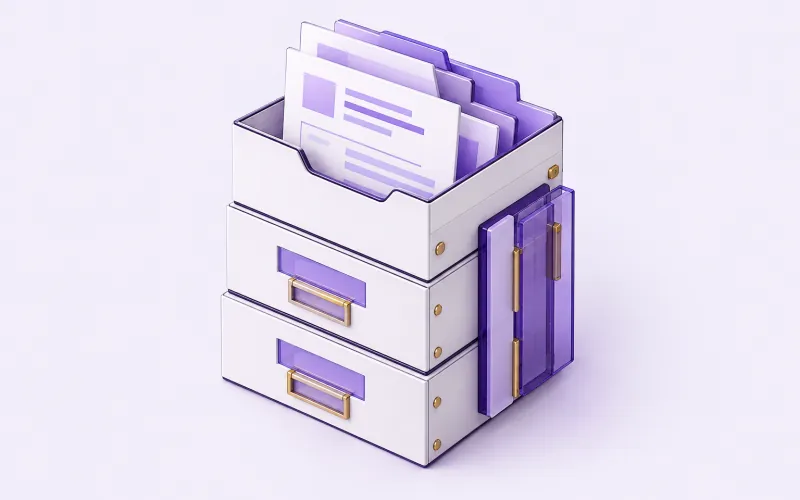 Existing records
 Defined licensing agreement
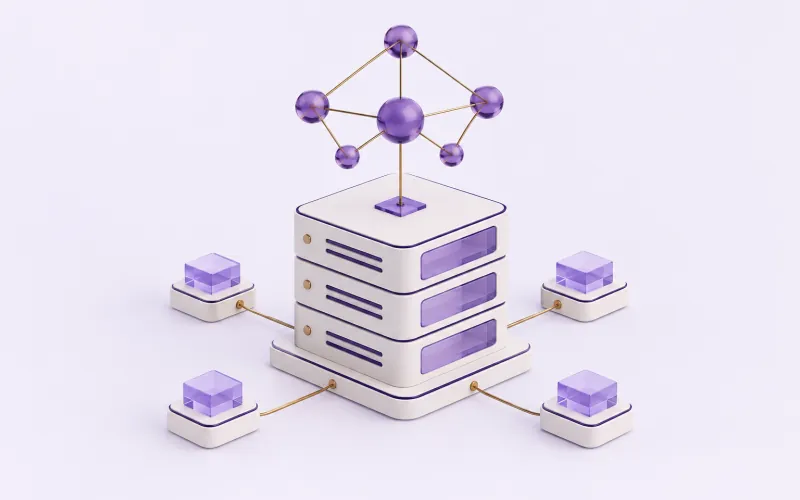 AI development
The materials behind the learning
Here are examples of the types of collections we are interested in exploring.
-

Courseware & Lessons
Lecture notes, instructor-authored units, syllabi, structured modules and teaching slides.
PPTX / PDF / DOCX / LMS export
-

Problem Sets
Homework questions, practice sets, exercises and answer prompts organized by topic.
DOCX / PDF / LaTeX
-

Worked Solutions
Step-by-step explanations, derivations, solution manuals and accepted answers.
LaTeX / DOCX / PDF
-

Exams & Rubrics
Institution-approved past assessments, marking guides, model answers and grading criteria.
Exam / Answer key / Rubric

Why AI developers need more than answer keys
A final answer reveals very little about how to solve a problem. Materials that include the question, intermediate reasoning, final solution and scoring criteria can support AI systems that explain concepts and evaluate answers.
 Question
 Numbered solution steps
 Boxed answer, rubric marker

Practice subject-specific reasoning

Explain multi-step solutions

Match questions to learning goals

Evaluate answers against rubrics
A question is stronger with its solution
Course materials become richer when the instruction, problem, worked solution and grading guidance remain connected. This structure helps distinguish an example answer from an explanation of how it was reached.


- 1Lesson objective
- 2Problem statement
- 3Worked solution
- 4Scoring rubric
Start with a description, not your files
 You do not need to upload confidential materials to begin a conversation.
-

1 Describe
Tell us what collections, formats and systems your organization has, and approximately how much historical material exists.

-

2 Assess
Argo Reach reviews potential relevance, collection structure, scale and buyer fit.
-

3 Explore
If there is a potential match, discuss permitted use, access, preparation and commercial terms.
A bridge between specialized data and AI development
Your organization builds educational content. Argo Reach helps explore whether eligible courseware and assessment collections may fit specialized AI development requirements.

 Subject-specific qualification
- Problem-to-solution structure
 Course archive evaluation
 Commercial coordination
Have a library of courses, problems and solutions?
Tell us which subjects you cover and what instructional materials you control. Do not submit exams or other restricted files at the inquiry stage.
Any licensing requires appropriate rights and agreed permitted uses.